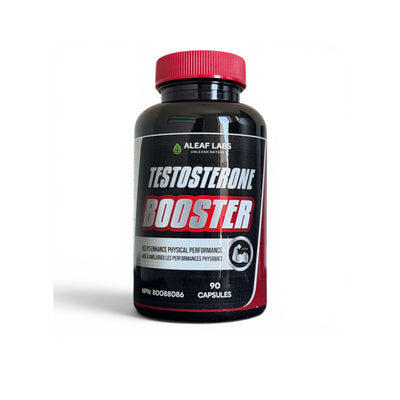
Testosterone decline is often framed as a straightforward consequence of aging — something that happens inevitably, on a fixed biological schedule, beyond personal control. The reality is considerably more complicated. While age does play a role, research increasingly points to a set of modifiable lifestyle factors that meaningfully suppress testosterone production — factors that are present in the daily lives of many men who would never describe themselves as unhealthy.
Here are six of the most evidence-supported hidden causes of low testosterone, along with what the science says about each.
1. Chronic Sleep Deprivation
Of all the modifiable drivers of testosterone decline, sleep disruption may be the most underestimated. The relationship between sleep and testosterone is not incidental — it is mechanistic and bidirectional.
Testosterone production is closely coupled to sleep architecture, particularly REM and deep slow-wave sleep stages. During these stages, the pituitary gland releases luteinizing hormone (LH), which signals the testes to produce testosterone. Disrupted sleep directly impairs this signalling cascade.
A rigorously designed University of Chicago study found that just one week of sleep restriction — five hours of sleep per night — reduced daytime testosterone levels in healthy young men by 10–15%. For context, normal aging is associated with a decrease of testosterone of approximately 1–2% per year. One week of inadequate sleep produced the equivalent of several years of age-related decline.
Sleep deprivation also elevates cortisol, which directly suppresses the hypothalamic-pituitary-gonadal axis — creating a self-reinforcing cycle: poor sleep raises cortisol, cortisol suppresses testosterone, low testosterone worsens sleep quality.
Practical implication: Consistent sleep of 7–9 hours per night, with attention to sleep timing and quality, is among the highest-leverage interventions for supporting healthy testosterone levels.
2. Chronic Psychological Stress
Cortisol — the body’s primary stress hormone — and testosterone are in direct biological competition. When the body perceives chronic threat or stress, it prioritizes cortisol production through a mechanism sometimes described as “pregnenolone steal”: the shared hormonal precursor pregnenolone is preferentially routed toward cortisol synthesis at the expense of androgen production.
This makes evolutionary sense — in an acute threat, reproductive capacity is less important than survival. The problem is that the modern sources of chronic stress — financial pressure, work demands, relationship conflict — produce the same biochemical response as physical threat, sustained indefinitely.
Research consistently documents that chronically stressed men have lower testosterone than their less-stressed counterparts, independent of age. The HPG axis suppression associated with elevated glucocorticoids is well-characterized in the literature.
Practical implication: Stress management — through whatever means consistently works for a given individual — is not a soft intervention. It has direct hormonal consequences.
3. Excess Visceral Body Fat
Adipose tissue is not metabolically inert. Fat cells, particularly visceral fat concentrated around the abdomen, express the enzyme aromatase, which converts testosterone into estradiol (estrogen). The more visceral fat a man carries, the more aromatase activity he has, and the lower his circulating testosterone tends to be.
This creates a compounding cycle: low testosterone promotes fat accumulation, accumulated fat suppresses testosterone further. The CUA guideline notes that in obese men, a pattern of low total testosterone with normal free testosterone and high estradiol is common — and that weight loss is often the most effective first intervention.
Practical implication: Reductions in visceral adiposity through diet and exercise directly support testosterone levels through the aromatase pathway, independent of other interventions.
4. Zinc Deficiency
Zinc is a foundational cofactor in the enzymatic processes that support testosterone synthesis. It is involved in the function of the steroidogenic enzymes that govern androgen production, and zinc deficiency has been consistently associated with reduced testosterone levels in research literature.
Men are at particular risk because zinc is lost through sweat — athletes and men who exercise regularly may be depleting zinc faster than a typical diet replaces it. Plant-heavy diets can also impair zinc absorption due to phytate content.
Multiple studies have demonstrated that zinc supplementation in zinc-deficient men produces measurable improvements in testosterone levels. The effect is specific to deficiency correction rather than supraphysiologic supplementation — more zinc is not better if levels are already adequate.
Practical implication: Zinc status is worth assessing, particularly for men who exercise heavily or follow largely plant-based diets. Dietary sources include red meat, shellfish, legumes, and seeds.
5. Sedentary Lifestyle (With the Wrong Kind of Exercise)
Physical activity supports testosterone production through multiple pathways: it reduces visceral fat, improves insulin sensitivity, lowers chronic inflammation, and acutely stimulates androgen release. Resistance training in particular — compound, multi-joint movements performed at meaningful intensity — has a well-documented acute testosterone-boosting effect.
However, chronic overtraining — particularly high-volume endurance training without adequate recovery — can paradoxically suppress testosterone by chronically elevating cortisol. The relationship between exercise and testosterone is dose- and type-dependent.
Low-intensity daily movement (walking, reducing sedentary time) has also been shown to reduce cortisol and improve insulin sensitivity without the hormonal cost of excessive training volume.
Practical implication: A training approach that includes resistance exercise, adequate recovery, and daily low-intensity movement supports hormonal health more effectively than either sedentary behaviour or chronic high-volume training.
6. Endocrine-Disrupting Chemical Exposure
Phthalates, bisphenol A (BPA), pesticide residues, and microplastics have all been identified in the research literature as endocrine-disrupting chemicals (EDCs) capable of interfering with androgen signalling. Epidemiological studies have linked higher phthalate exposure — measured through urinary metabolites — to lower testosterone levels in men across age groups.
EDCs are present in plastic food containers, canned food linings, personal care products, receipts printed on thermal paper, and many conventional agricultural products. The exposure is largely invisible in daily life.
A 2025 narrative review synthesizing the secular decline in testosterone across populations identified EDC exposure as one of several likely contributors to the population-level generational drop in testosterone observed across multiple countries.
Practical implication: Reducing EDC exposure through food storage choices, personal care product selection, and dietary patterns is a low-cost, low-risk intervention consistent with the precautionary principle.
The Cumulative Burden
None of these factors operates in isolation. The research increasingly points to a cumulative burden model: individually, each of these stressors produces modest hormonal suppression. Together, across years or decades of modern living, their combined effect on testosterone can be substantial — and can produce clinical symptoms in men who, by conventional health metrics, appear perfectly well.
If you are experiencing symptoms associated with low testosterone and have ruled out the obvious explanations, a structured review of sleep quality, stress burden, body composition, dietary patterns, and EDC exposure — alongside a blood draw — is a more productive starting point than accepting decline as inevitable. If you are unsure whether your symptoms even fit the pattern, the ADAM screening questionnaire sets out the ten symptoms doctors typically ask about — it is a rough screen rather than a verdict, and most men who screen positive turn out to have normal testosterone, so use it to frame the conversation with your doctor and let the blood test answer the question.
References
- Leproult R, Van Cauter E. Effect of 1 Week of Sleep Restriction on Testosterone Levels in Young Healthy Men. JAMA. 2011;305(21):2173–2174. PMC4445839.
- ScienceDirect. Associations of testosterone and cortisol concentrations with sleep quality in Japanese male workers. 2022.
- Denver Regenerative Medicine. 5 Habits Killing Your Testosterone. March 2026.
- Grober ED, et al. Canadian Urological Association guideline on testosterone deficiency. PMC8095276. 2021.
- PMC12841019. Understanding the Secular Decline in Testosterone: Mechanisms, Consequences, and Clinical Perspectives. 2025.
- PMC12887910. Integrative Natural Approaches for Age-Related Testosterone Decline. 2025.
- Henkel RR, et al. Zinc and testosterone. Multiple citations in andrology literature.