If you are a man over 40 who finds himself thinking about the nearest bathroom before entering a restaurant, cutting meetings short, or waking two or three times per night to urinate, you are not imagining things — and you are far from alone. Frequent urination affects millions of Canadian men and becomes increasingly prevalent with each decade of life. But frequent urination is a symptom, not a diagnosis. Understanding why it happens is the first step to doing something about it.
What Is Normal Urinary Frequency?
Most adults urinate between 6 and 8 times in a 24-hour period when consuming a normal amount of fluid. Urinating more than 8 times per day is generally considered frequent, though this threshold varies by fluid intake. Needing to urinate more than once per night (nocturia) is considered abnormal under age 65 and is associated with clinically significant quality-of-life impact when it occurs two or more times nightly.
The Most Common Causes of Frequent Urination in Men Over 40
1. Benign Prostatic Hyperplasia (BPH)
BPH is the most common cause of urinary frequency in men over 50. As the prostate enlarges and compresses the urethra, the bladder is unable to empty fully. The residual urine left behind means the bladder refills to its functional capacity more quickly, triggering frequent voiding. Simultaneously, the bladder wall thickens and becomes overactive in response to chronic outlet obstruction, generating urgency and frequency even at lower urine volumes. BPH-related frequency is typically accompanied by other lower urinary tract symptoms including weak stream, hesitancy, and nocturia.
PubMed: Roehrborn CG - BPH Natural History2. Overactive Bladder (OAB)
Overactive bladder is a syndrome characterized by urinary urgency, usually with frequency and nocturia, with or without urge incontinence. In men over 40, OAB can occur independently of prostate problems or as a consequence of bladder outlet obstruction from BPH. The International Continence Society estimates OAB affects approximately 16% of the adult population, with prevalence rising sharply with age. The hallmark is urgency — the sudden, compelling need to void that is difficult to defer.
PubMed: Milsom I et al. - OAB Prevalence (EPIC Study)3. Diabetes Mellitus
Both type 1 and type 2 diabetes can cause frequent urination through osmotic diuresis — elevated blood glucose draws water into the urine, dramatically increasing urine output. Polyuria (excessive urination) accompanied by polydipsia (excessive thirst) and unexplained weight loss are classic warning signs of undiagnosed diabetes. In Canada, where type 2 diabetes affects approximately 11% of adults and many more are pre-diabetic, this is a frequently missed cause of new-onset urinary frequency in middle-aged men.
4. Urinary Tract Infection (UTI)
While UTIs are far more common in women, men over 50 — particularly those with BPH or incomplete bladder emptying — are at increased risk. Bacterial UTI produces frequency, urgency, and dysuria (burning on urination). Unlike BPH-related frequency, UTI symptoms typically develop acutely over hours to days. Fever and flank pain suggest upper urinary tract involvement (pyelonephritis) requiring prompt medical attention.
5. Chronic Prostatitis / CP/CPPS
Chronic pelvic pain syndrome (CP/CPPS) frequently produces urinary frequency and urgency as part of its symptom complex, alongside pelvic pain and discomfort. In men under 50 presenting with urinary frequency without the obstructive features of BPH (weak stream, hesitancy), CP/CPPS should be considered. The NIH-CPSI urinary domain specifically assesses incomplete emptying and frequency as core outcome measures.
6. Excessive Fluid Intake and Dietary Factors
High fluid intake — particularly caffeine (coffee, tea, energy drinks) and alcohol — directly increases urine production and bladder irritability. Caffeine is both a diuretic and a direct bladder irritant that lowers the voiding threshold. Alcohol inhibits ADH secretion, increasing urine production acutely. Carbonated beverages, artificial sweeteners, citrus juices, and spicy foods are also recognized bladder irritants in susceptible individuals. A simple 3-day bladder diary often reveals dietary contributors that can be addressed without any medication.
7. Medications
Diuretic medications (used for high blood pressure and heart failure) predictably increase urinary frequency. Timing of diuretic dosing — avoiding late afternoon or evening doses — can significantly reduce nocturia without changing the medication itself. Other medications including lithium, certain antipsychotics, and some antidepressants can also increase urinary frequency through effects on ADH or direct bladder effects.
8. Anxiety and Psychological Factors
Psychological stress and anxiety can produce urinary urgency and frequency through activation of the sympathetic nervous system and lowering of the perceived voiding threshold. “Anxious bladder” is a recognized phenomenon, and many men find that urinary frequency is significantly worse during periods of high stress. This mechanism is particularly relevant in younger men over 40 with frequency but no structural cause found on investigation.
When to See a Doctor
See a physician promptly if urinary frequency is accompanied by: blood in urine, pain or burning during urination, fever or back pain, sudden inability to urinate, or significant weight loss. For gradually increasing frequency without these features, a routine appointment is appropriate. Your physician will likely perform an IPSS assessment, physical examination, urinalysis, PSA, and possibly a bladder diary review.
Self-Help Strategies While Awaiting Assessment
- Complete a 3-day bladder diary (recording every void, time, and estimated volume) — this is enormously useful for your physician
- Reduce or eliminate caffeine and alcohol, particularly after 6pm
- Avoid drinking large volumes of fluid in the 2 hours before bed
- Timed voiding — urinating on a schedule rather than at every urge — can help retrain bladder capacity over time
- Pelvic floor physiotherapy, if OAB is suspected
Natural Support for BPH-Related Frequency
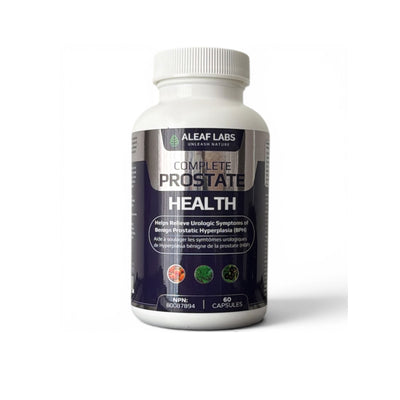
For men whose frequency is driven by BPH, clinical trials of phytotherapeutic ingredients including saw palmetto, pygeum, beta-sitosterol, and nettle root have demonstrated meaningful reductions in IPSS scores including the frequency domain. Complete Prostate Health by Aleaf Labs (NPN 80087894), a frequent urination supplement licensed for BPH symptoms, includes saw palmetto, stinging nettle and pygeum — with phytosterols delivered through those botanicals plus pumpkin fruit — in a Health Canada-licensed six-ingredient formula. The nettle in it is herb top rather than the root used in the BPH trials, a gap set out in the clinical ingredient review.
Related Reading
- Why Men Wake Up to Urinate at Night — the nighttime version of the same complaint, with different mechanisms.
- What Causes Weak Urine Flow in Men — the obstructive symptom that usually accompanies frequency.
- Non-Bacterial Prostatitis Explained — the cause to consider in men under 50 without obstructive symptoms.
- 10 Signs of an Enlarged Prostate — the full symptom set, scored.